
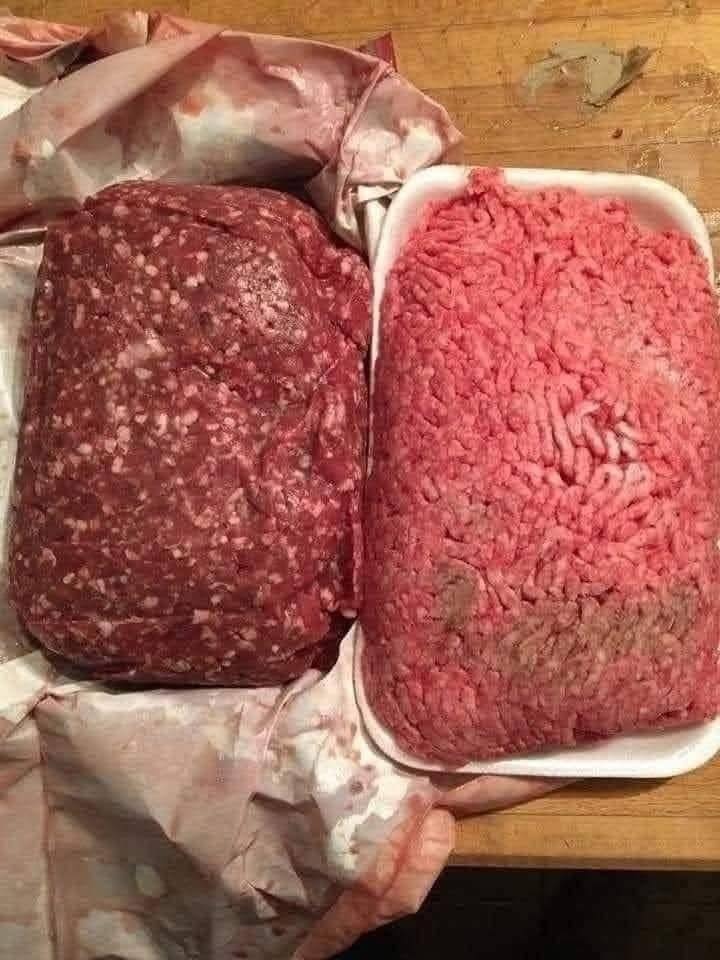
- U.S. law: Horse slaughter for human consumption is effectively banned (no USDA-inspected plants operate).
- 2013 Europe scandal: Involved mislabeled frozen meals—never impacted U.S. fresh meat.
- Today: U.S. supermarkets do not sell horse meat as beef. It’s illegal and economically unfeasible.
4. Labels Tell a Story—Learn to Read Them
|
Label
|
What It Means
|
|---|---|
|
“Product of USA”
|
Born, raised, and slaughtered in the U.S.
|
|
USDA Organic
|
No antibiotics/hormones; pasture access
|
|
Grass-Fed
|
Diet = 100% grass (not just “grass-finished”)
|
|
No Hormones Added
|
Required for pork/poultry (hormones aren’t used anyway)
|
Watch out: “Natural” only means no artificial ingredients—it doesn’t guarantee humane or antibiotic-free practices.5. Where Concerns Can Arise (Rarely)
- Imported processed meats: Some low-cost deli meats or sausages may lack transparency—but major chains avoid these.
- Mislabeling: Extremely rare in fresh meat; more common in pre-made meals (e.g., lasagna, pies).
- Antibiotic resistance: Overuse in livestock is a public health issue—choose “Raised Without Antibiotics” if concerned.
How to Shop Smart
- Stick to reputable stores (Kroger, Safeway, Whole Foods, local butchers).
- Check the fine print: Avoid vague terms like “farm-raised.”
- Buy whole cuts: Less processing = fewer risks.
- When in doubt: Ask your butcher or check the store’s sourcing policy online.
The Bottom Line
Supermarket meat in the U.S. and Canada is among the safest in the world. While no system is perfect, decades of regulation and technology ensure that what’s labeled as beef is beef—from healthy, inspected animals.Stay curious, not fearful. Your awareness—not anxiety—is your best tool.Your dinner plate deserves truth—not rumors.


