
Frequently Asked Questions
Is bloated packaging always bad?
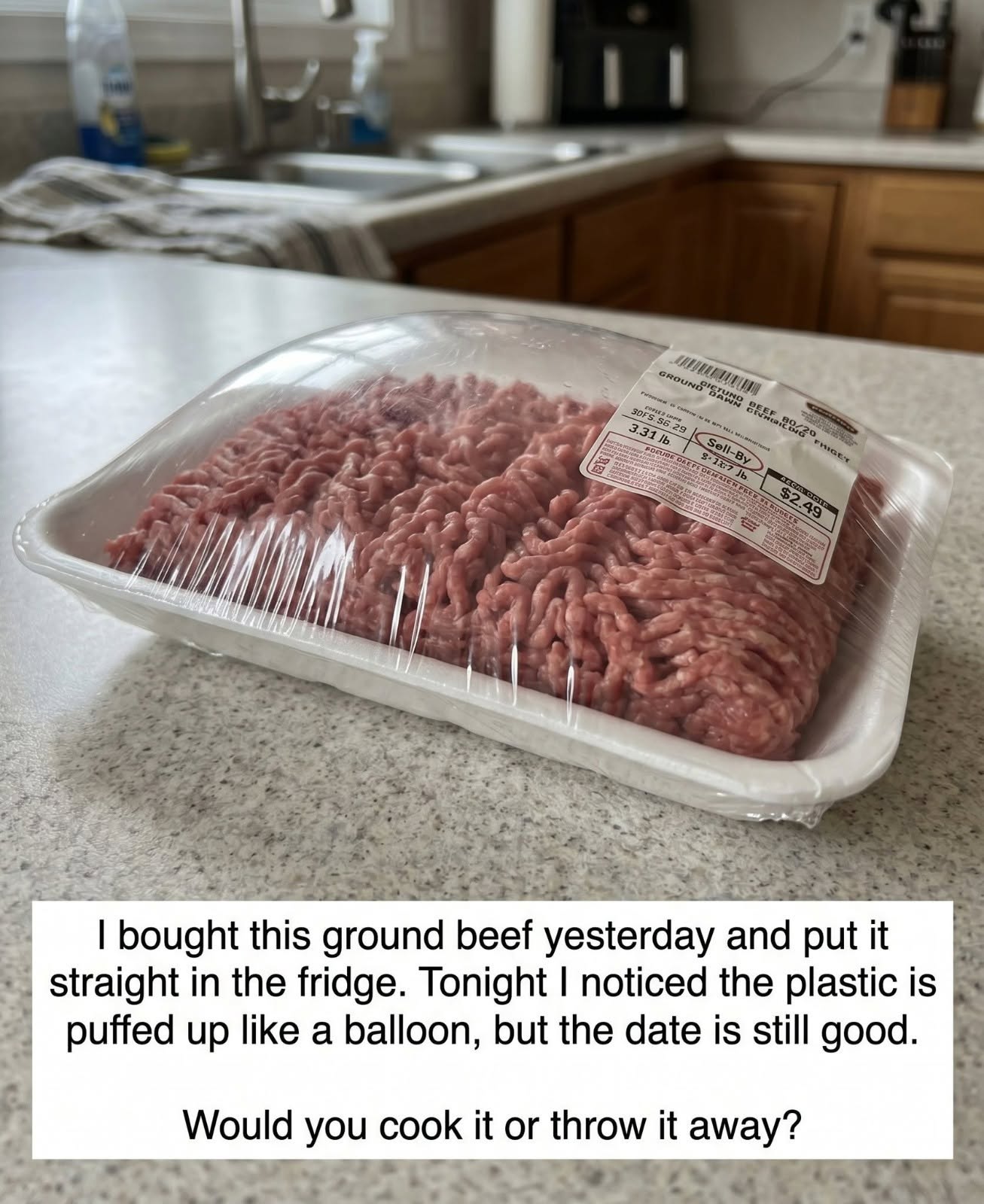
No. For some products like chips and bread, bloating is intentional and part of the packaging design. But for others like canned goods, vacuum-sealed meats, and dairy, it is a warning sign of spoilage.
Why do chip bags puff up?
They are filled with nitrogen gas to protect the chips from being crushed during shipping. Nitrogen is inert and does not react with the food, helping to preserve freshness and crispness.
Can I eat food from a bloated can?
Absolutely not. Bloated cans can be a sign of botulism contamination, which is deadly. Never consume food from a bulging, leaking, or hissing can.
What should I do if I ate food from bloated packaging?
If you are concerned, contact a doctor immediately. If you experience symptoms like nausea, vomiting, abdominal pain, difficulty breathing, or blurred vision, seek emergency care right away.
How can I tell if a package is bloated or just puffy?
Check the product type first. If it is chips or bread, slight puffiness is likely fine. If it is canned goods, vacuum-sealed meat, or dairy, any swelling is a warning sign. When uncertain, trust your instincts and discard the item.
Does bloating always mean the food is dangerous?
Not always, but it is a strong indicator that something has changed. Even if the food is not immediately dangerous, bloating often signals spoilage that affects taste, texture, and nutritional quality.
A Final Thought
Bloated packaging is a reminder that food is alive—or at least, capable of hosting life. When things go wrong, they can go wrong quickly. But with a little knowledge, you can tell the difference between an intentional feature and a dangerous problem.
Your nose and your eyes are your best tools. Trust them. If something smells wrong, looks wrong, or feels wrong, do not eat it.
It is not worth the risk.
Food safety is not about living in fear; it is about making informed choices. By understanding what bloated packaging really means, you protect yourself and your loved ones while reducing unnecessary waste. Stay curious, stay cautious, and trust your instincts when it comes to the food you eat. Your health is always worth the extra moment of attention.
Disclaimer: This article is for informational purposes only and is not a substitute for professional food safety guidance. When in doubt about the safety of any food item, consult a qualified expert or err on the side of caution. Always follow local health department recommendations for food storage and handling.

