
When to Worry and What to Do
Canned Goods
Canned goods are the biggest concern. Botulism is rare but deadly, and it can cause paralysis and respiratory failure if not treated immediately.
Signs of botulism in canned goods:
Bulging can ends that do not press down when touched
Leaking or hissing when opened
Spurting liquid when the can is opened
A foul odor, though botulism does not always produce a noticeable smell
What to do: If you suspect a can is contaminated, do not open it. Do not taste it. Do not pour it down the sink. Wrap it in plastic, seal it in a bag, and throw it away in an outdoor trash bin. Wash your hands thoroughly with soap and water afterward.
Vacuum-Sealed Meats
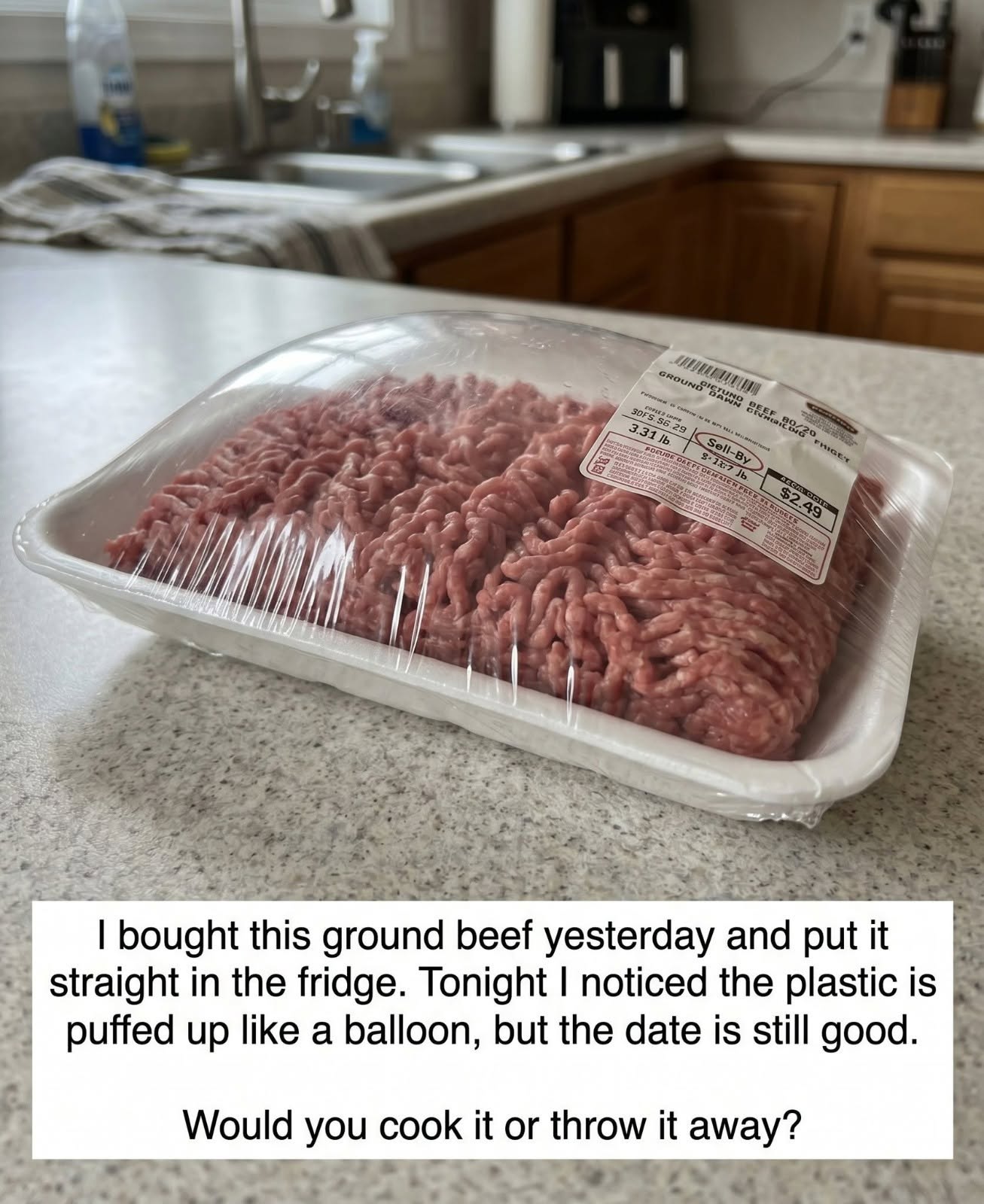
Vacuum-sealed meats should have no air pockets. If the package is puffed up, it is likely spoiled due to bacterial growth.
Signs of spoilage:
Off-odor that smells sour, ammonia-like, or rotten
Slimy or sticky texture on the meat surface
Discoloration such as gray, green, or unusual shades
What to do: Throw it out. Do not try to salvage it by trimming or cooking. Bacterial toxins can remain even after cooking.
Dairy Products
Milk, cheese, and yogurt should have tight seals. If the container is swollen, it is likely spoiled due to bacterial fermentation.
Signs of spoilage:
Sour or ammonia-like smell
Curdled or separated texture
Off-color or visible mold growth
What to do: Throw it out. Do not taste it to check. Dairy spoilage can cause foodborne illness with symptoms like nausea, vomiting, and diarrhea.
A Word on Bloated Versus Vacuum-Sealed
Some products are vacuum-sealed, which means no air should be inside the package. If a vacuum-sealed product is bloated, it is a red flag that requires immediate attention.
Examples include:
Vacuum-sealed meats like beef, chicken, or pork
Some cheeses packaged in vacuum-sealed plastic
Smoked fish and other seafood products
Pre-packaged sausages and deli meats
If a vacuum-sealed product is puffed up, do not eat it. The swelling indicates bacterial growth that could cause illness.
see to Next Page…
ADVERTISEMENT
ADVERTISEMENT

