
Engaging Introduction
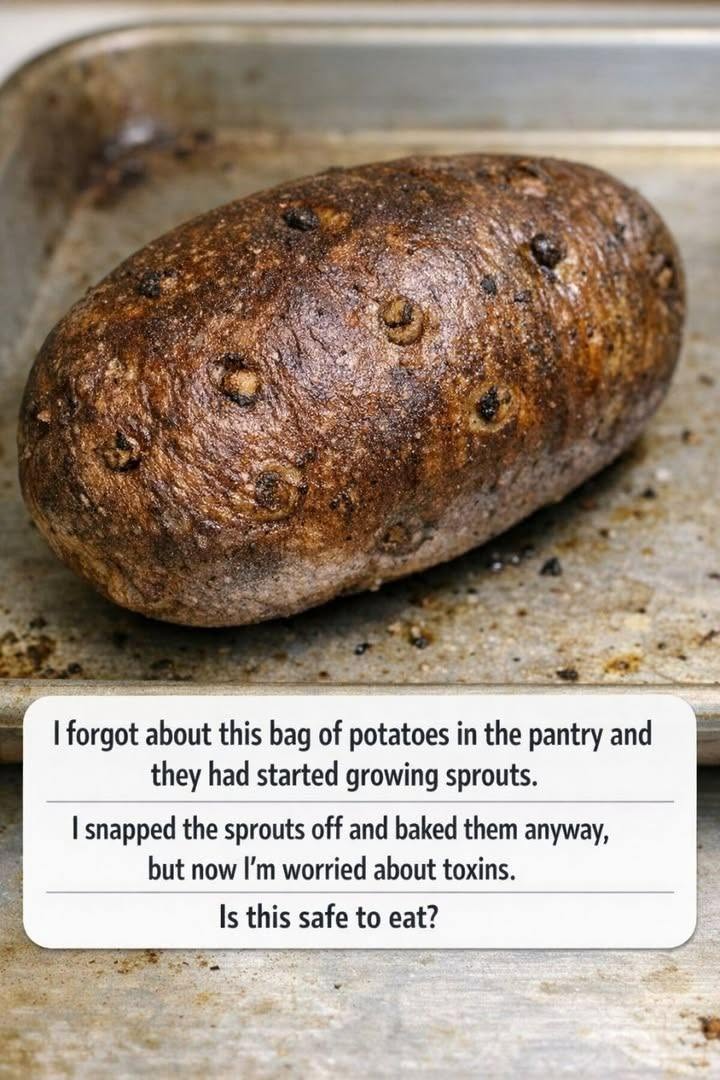
I forgot about this bag of potatoes in the pantry and they had started growing sprouts. I snapped the sprouts off and baked them anyway, but now I’m wondering… did I just make a mistake?
I’m guessing you’ve been there too. You buy a bag of potatoes with the best intentions. Maybe you planned a cozy potato soup, a batch of crispy roasted wedges, or a big pot of mashed potatoes for Sunday dinner. But life got busy. The potatoes got pushed to the back of the pantry. And weeks later, you pull them out to find white, gnarly sprouts reaching out like tiny alien fingers.
Potatoes are a staple in many households, loved for their versatility and delicious taste. Around here in the Midwest, a sack of potatoes has long been one of those pantry comforts you count on without much thought, tucked away for suppers big and small. However, they can sometimes sit forgotten in a pantry, leading to a surprising transformation.
As time passes, these humble tubers may begin to sprout, raising questions about their safety and edibility. The sight of sprouted potatoes can be alarming, and many wonder if it’s safe to consume them after removing the sprouts. This article delves into the science behind sprouted potatoes, exploring potential risks and offering guidance on how to handle them safely.
Let me give you the answers you need—no fear, just facts.
The Short Answer (What You Came For)
Yes, you can eat sprouted potatoes—with conditions.
Remove all sprouts (the greenish-white growths) completely.
Cut away any green spots or discolored areas on the skin or flesh.
If the potato is still firm, it’s generally safe to eat after proper preparation.
If the potato is wrinkled, shriveled, or soft, toss it. It’s past its prime and may contain higher levels of solanine (a natural toxin).
The bottom line: Sprouting doesn’t automatically mean the potato is toxic. But you need to prepare it correctly.
The Science Behind Sprouting (Why Potatoes Grow Sprouts)
Let me explain what’s happening inside that forgotten bag.
Potatoes are living tubers—they’re still alive when you buy them. They contain dormant “eyes” (buds) that are waiting for the right conditions to grow. When they’re exposed to warmth, light, and moisture, those buds wake up and start growing into sprouts.
What’s happening chemically: As the potato sprouts, it produces a natural toxin called solanine. This is the potato’s defense mechanism—it makes the potato taste bitter and unpleasant to animals (and humans) who might try to eat it.
Where solanine concentrates: In the sprouts themselves, in the “eyes” (where the sprouts grow from), and in any green patches on the skin (green indicates chlorophyll production, which often accompanies solanine).
The good news: The solanine concentration in the potato flesh itself is usually low. If you remove the sprouts and any green spots, the remaining potato is generally safe to eat.
Is Sprouted Potato Poisoning Real? (The Risks)
Yes, solanine poisoning is real—but it’s rare and usually mild.
Symptoms of solanine poisoning:
see continuation on next page
ADVERTISEMENT
ADVERTISEMENT
ADVERTISEMENT

